Studio Maati
Goal: sell out every collection drop
A pottery studio that makes twelve pieces at a time. The site’s job is to make drop day feel like an event — and “later” feel like a mistake.
- Brief
- Self-initiated concept
- Sector
- Handmade ceramics, online only
- Scope
- Collection page, product page, drop list
- Role
- Design and build, solo
- Year
- 2026
Photography
Art direction
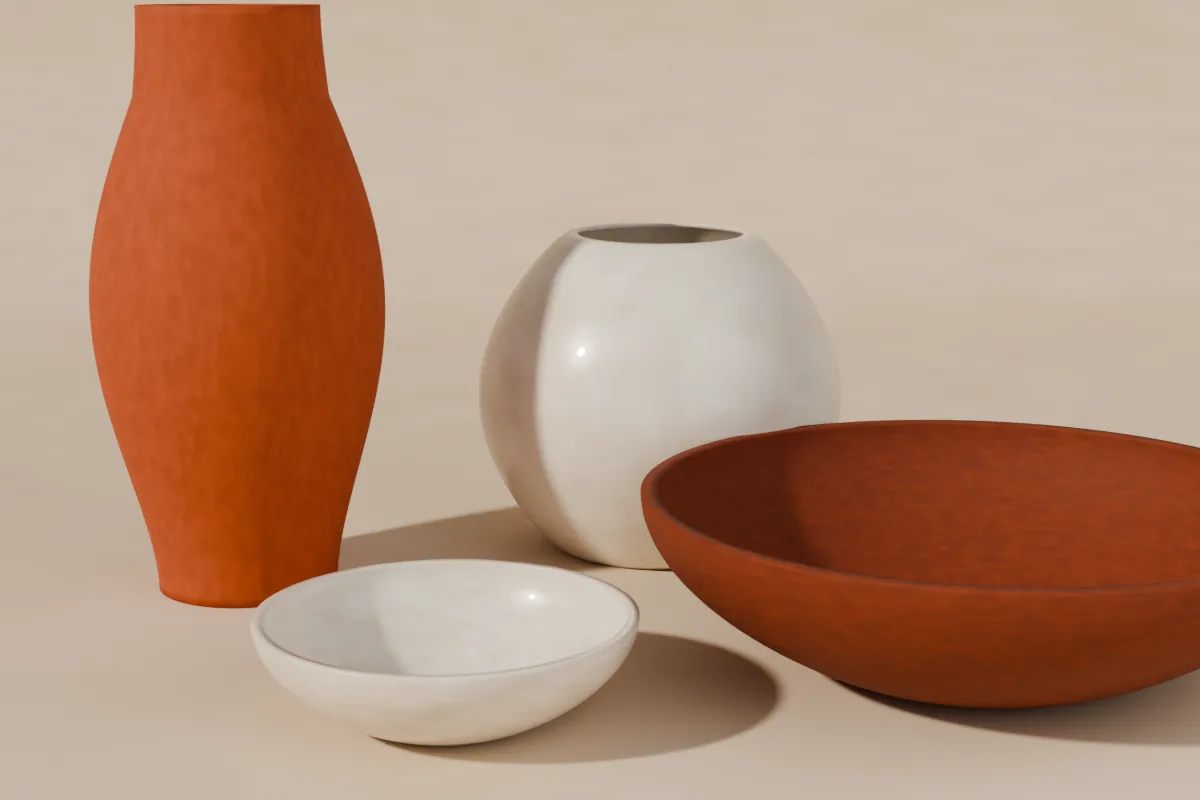
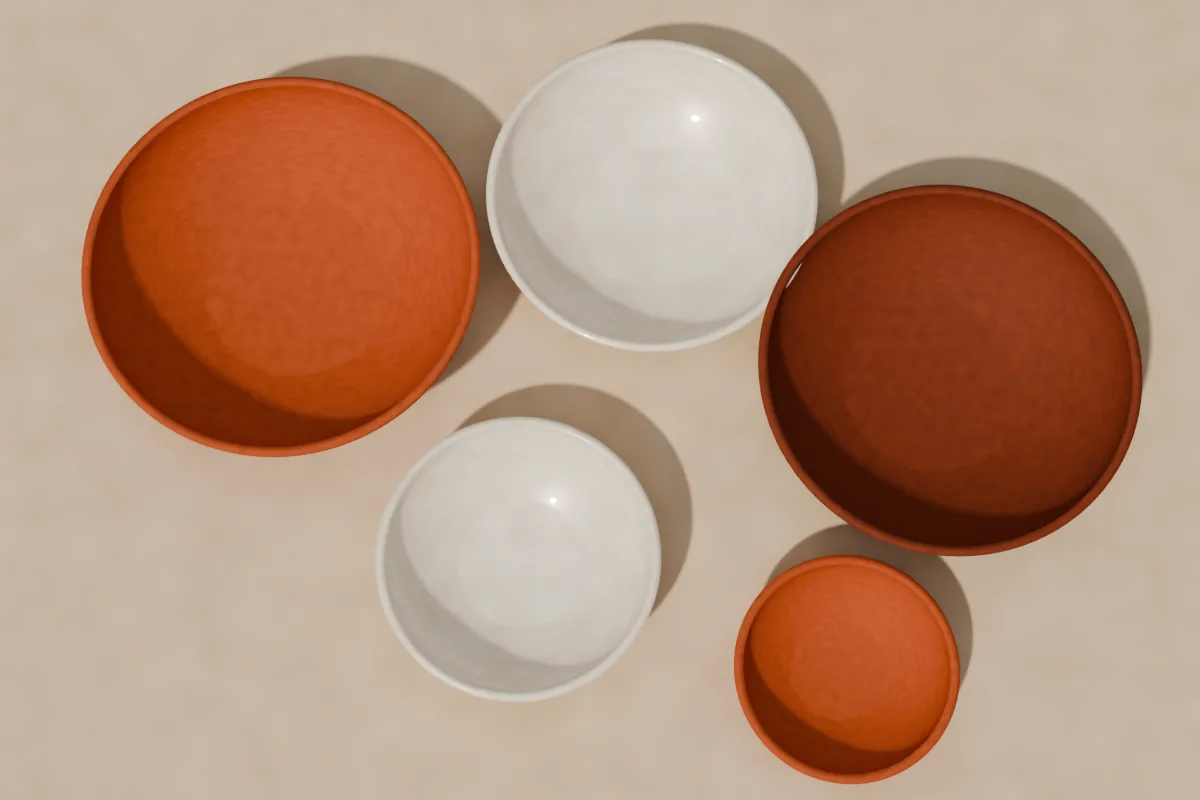
Low, warm side light and long shadows, so you can read the texture of the clay. Pieces sit on sand and linen — never on white — and are always shot in small groups, so the scale is obvious.
The brief
The brief
Studio Maati is a made-up two-person pottery studio. Every few months it releases a small collection — twelve pieces, thrown by hand. The brief I set myself: a shop that sells out every drop without discounts or pop-ups.
The problem
The problem
Handmade work gets sold like stock — grid, price, add to cart.
Template shops flatten everything into the same product grid. A bowl that took three weeks sits next to a gift card. People bookmark it, come back a week later, and find it sold — or never come back at all.
My approach
Three moves
Count the pieces, out loud.
“Twelve pieces. No two alike.” sits under every collection title, and each product says whether it’s still available.
A drop, not a catalogue.
Collections open on a set date. Before then, the page collects emails with one line: “Tell me when it opens.”
Slow pages, on purpose.
One piece per screen, big photography, small type. The scroll is unhurried; the buy button never is.
Design decisions
Style tile
The palette comes straight from the clay: raw terracotta, fired clay, bone glaze and the sand the pieces are photographed on. Type is a quiet italic serif — like a handwritten gallery card.
Type1 family
A thin, old-style serif feels hand-set, and it leaves the photographs to do the talking.
Colour4 tokens
Layout12 col · collection
Components3 of 10
Desktop and mobile
The collection
On desktop, the collection reads like an exhibition catalogue — each piece with its availability. On a phone, the product page puts the count right beside the price.
Opened Friday, 10am.
What it’s meant to do
The goals
- Sell each collection within its first week, at full price.
- Grow the drop list between collections, so every launch starts with people waiting.
- Make each product page feel like the gallery card next to the pot.
- Stay fast despite big photos — properly sized, lazy-loaded images.
No results numbers here, because nobody has bought a Monsoon bowl. It’s a concept. When a real client’s site goes live, this section gets real results — or an honest note about why not.
Designer’s note
The collection page says how many pieces exist — twelve — right under the title. Scarcity you can count gets people buying on drop day, not “later”.
— Fredrick Dishant